Last updated 2026-08-18
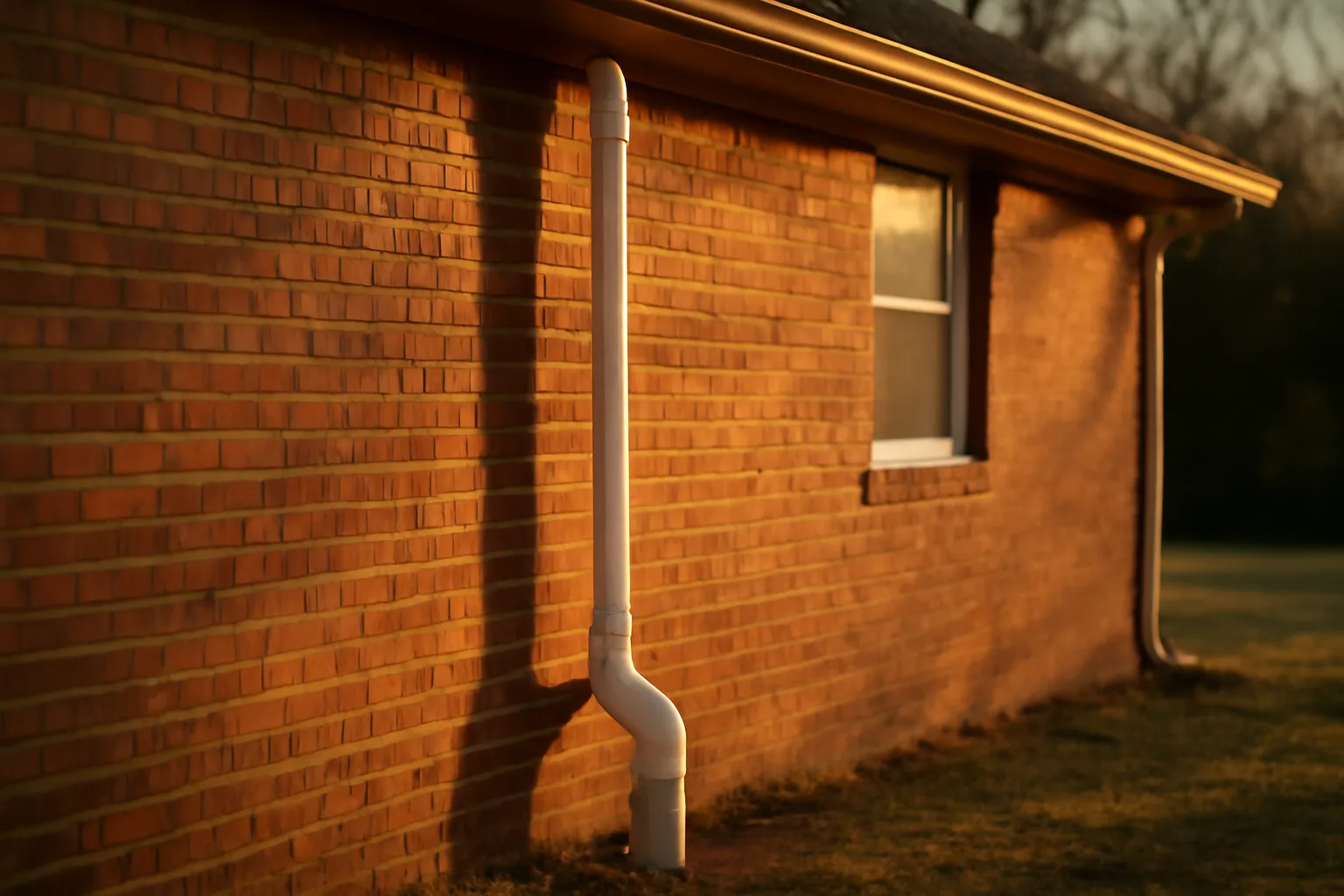
TL;DR
Alabama does not regulate radon mitigation professionals with a state license, so there is no state-level renewal. Installers keep national certification through NRPP or NRSB instead. Renewal takes 16 hours of continuing education every two years plus a fee (about $125 to $150). For homeowners, radon mitigation in Alabama runs $800 to $2,500 and takes one day. The state pre-approves nothing.
Do you need a license for radon mitigation in Alabama?
No. Alabama doesn't require a state-issued license to install, test for, or mitigate radon. The Alabama Department of Public Health runs a radon program, but its job is public education and pushing people to test, not regulating contractors [2]. A 2022 review by the Conference of Radiation Control Program Directors confirms Alabama has no state radon certification or licensure [1].
So there's no Alabama renewal to track. But almost everyone who does this work in the state carries a national credential anyway. Home inspectors, real estate agents, and federal loan programs look for third-party certification from either the National Radon Proficiency Program (NRPP) or the National Radon Safety Board (NRSB) [3]. Those credentials expire and renew every two years.
Short version: no state license needed. The certification that actually gets you hired in Alabama still has a clock running on it.
What do Alabama professionals need to know about NRPP certification renewal?
If you hold an NRPP mitigation specialist certification, you renew every two years. NRPP wants 16 hours of continuing education per cycle, with at least four hours on radon topics specifically [4]. You can earn CE through approved online courses, in-person seminars, or conference attendance.
The renewal fee is $150 per certification. Hold both measurement and mitigation certs and you're paying $300 every two years [4]. You submit renewals through the NRPP portal online. Miss the deadline and there's a 30-day grace period with a $50 late fee. After that your certification goes inactive, and you may have to retake the exam [5].
Track your CE deadlines. Set a calendar reminder a few months out so you finish the hours before the certification expires. NRPP lists approved courses on its site.
What are NRSB certification renewal requirements?
NRSB also renews every two years. You need 16 hours of CE, with a minimum of four radon-specific hours [6]. The renewal fee is $125 per certification, a little cheaper than NRPP [6].
NRSB gives you the same 30-day grace period after expiration, but a $60 reinstatement fee applies if you renew late [7]. You upload proof of your completed CE, the certificates from approved providers, straight to the NRSB portal.
Some Alabama pros hold both credentials and let one lapse to save money. Since a given client or lender might prefer one board over the other, keeping both active widens the pool of jobs you can take.
How much does radon mitigation cost in Alabama?
The EPA's Consumer's Guide to Radon Reduction puts the typical install between $800 and $2,500, with a national average near $1,200 [3]. In Alabama the numbers usually sit at the lower end.
Here's why. Most Alabama homes sit on concrete slab or vented crawlspace foundations. Full basements are uncommon, especially south of Birmingham. A standard sub-slab depressurization system for a 1,500-square-foot ranch might run $1,000 to $1,500. For a crawlspace home, sub-membrane depressurization often lands between $800 and $1,200. That price covers labor, materials, the radon fan, PVC piping, crack sealing, and a post-mitigation test.
The EPA guide also says "most homes can be fixed for about the same cost as other common home repairs" [3].
What drives the cost of radon mitigation in Alabama homes?
A handful of things move the final number up or down. Foundation type is the big one: crawlspace mitigation usually costs less because laying a membrane is easier than drilling through a concrete slab [3]. Home size and layout matter too, since a sprawling rambler with several foundation sections may need multiple suction points. Soil counts: the tight clay common in central Alabama makes airflow harder and sometimes calls for a stronger fan.
Very high readings (over 10 pCi/L) can require a larger system. Sealing sump pits or big cracks adds a few hundred dollars. And access changes the labor bill, so a fan going into a cramped attic or a low crawlspace costs more to install.
Most Alabama mitigators give free estimates and size the system to your actual radon test results.
How long does radon mitigation take in Alabama?
About four to eight hours, so usually one workday [3]. The EPA guide says a qualified contractor can "typically install a radon reduction system in one day."
Harder jobs, like homes with multiple separate foundations or a lot of sealing, can stretch into a second day. That's rare. The time covers setup, drilling, running pipe, mounting the fan, and connecting electrical. Once it's on, the system runs continuously, but you wait 24 hours before a follow-up radon test to confirm it's pulling the levels down.
What happens during a typical radon mitigation installation?
Here's the flow most Alabama mitigators follow. First, pre-installation diagnostics: the contractor picks the suction point and tests communication under the slab or membrane. Then a 4 to 5 inch hole through the slab (or a membrane laid in a crawlspace), and a small pit dug beneath the slab to create a suction cavity. A PVC pipe goes in and the entry point gets sealed. The pipe runs up to a fan, usually mounted in the attic or on an exterior wall at or above the roofline.
The fan connects to power, ideally on a dedicated circuit. The crew seals floor cracks and any sump pit, then installs a manometer (the U-tube gauge) to confirm suction. Post-mitigation testing comes 24 hours later.
This is standardized work. Alabama pros follow ANSI/AARST standards even though no state rule forces them to.
Why do radon levels in Alabama still make certification renewal matter?
Most of Alabama is EPA Radon Zone 3, meaning predicted average indoor screening levels below 2 pCi/L. But 13 counties in the north, including Madison, Morgan, Limestone, and Jackson, fall into Zone 2 with moderate potential [8].
Statewide screening data from the Alabama Department of Public Health found roughly 7% of homes tested at or above the EPA action level of 4 pCi/L [9]. That's not zero. In some north Alabama counties the share ran higher.
The EPA is clear that any radon exposure carries risk and there's no safe level. So even in low-potential zones, systems get installed wherever a test finds a problem. Homeowners who assume radon "doesn't happen in Alabama" get surprised. That's the case for hiring certified pros who stay current through renewal.
Where can you find a certified radon mitigator in Alabama?
There's no government list, because Alabama has no licensing board. Start with the national certification directories instead. The NRPP database (find.nrpp.info) and the NRSB directory (nrsb.org) both let you search by zip code. That's the most reliable way to confirm current certification, since you can see expiration dates.
Plenty of home inspectors and real estate agents in Alabama keep shortlists of mitigators they trust. When you vet someone, ask a few things: Is your certification current? (Check the directory yourself.) How many systems did you install last year? Can you give me references nearby? Do you guarantee post-mitigation levels below 4 pCi/L?
Pulling a name from a national directory tells you the person hasn't let their credential lapse. Renewal discipline is a decent proxy for whether they're still paying attention to the work.
How do you start a radon mitigation business in Alabama?
The path here starts with training, not a state permit. NRPP mitigation certification requires a 16-hour initial course (plus a day of field experience) and a passing exam score. The RadonPath NRPP Mitigation Kit costs $149 one-time and bundles the exam application, study guide, and certification processing support. It's not a course. It helps you get through the application and exam without overpaying.
Once you're certified, you'll spend on equipment (a radon test kit, a drill, PVC tools, fans) and start building a client base. Since Alabama has no license, you can work as soon as you have your certification and a business license. Every two years after that, you renew through NRPP (or NRSB) by finishing your CE and paying the $150 fee, same as above. The low entry barrier is why a lot of Alabama contractors bolt radon mitigation onto existing waterproofing or HVAC work.
What happens if you let your certification lapse?
Both NRPP and NRSB flip an expired certification to inactive. You can't legally call yourself "certified" on your website, cards, or estimates. And your listing drops off the online directories, so clients searching for a local mitigator won't find you.
Let it drag past the 30-day grace period and you'll pay a reinstatement fee (NRPP charges $100, NRSB $60) and possibly submit extra CE [5][7]. After a year expired, NRPP often makes you retake the full certification exam.
Most mitigation work in Alabama comes from referrals and directory searches. Staying current costs a lot less than the revenue you lose while you're off the list.
Why doesn't Alabama have a state radon mitigation license?
As of 2022, only 14 states had mandatory radon professional licensure. The Conference of Radiation Control Program Directors lists Alabama among the states without it [1]. The legislature has never passed a radon-specific licensing act, and the Department of Public Health's radon program runs under general radiation protection authority, not any mandate to regulate contractors.
The real estate industry fills the gap. Federal loan programs (FHA, VA, USDA) and many private lenders require radon testing and mitigation by "qualified" professionals. With no state definition of qualified, they fall back on NRPP or NRSB certification. So the market demands certification renewal even without a state law behind it. That's why renewal matters here as much as it does in a licensed state.
Where are radon mitigation renewal guides for other states?
Alabama's rules stay relaxed, but cross a state line and things change fast. RadonPath publishes free, data-backed guides for every state so you never miss a licensing detail or a renewal deadline. Browse the collection: Radon mitigation renewal in Alaska Radon mitigation renewal in Arizona Radon mitigation renewal in Arkansas Radon mitigation renewal in Florida Radon mitigation renewal in Georgia Radon mitigation renewal in California Radon mitigation renewal in Colorado Radon mitigation renewal in Connecticut
Each guide lays out what's required, what it costs, and how to keep your credentials active. The RadonPath team updates them as laws change, so you get the real story without the fluff.
Frequently asked questions
Do you need a license for radon mitigation in Alabama?
No. Alabama has no state radon certification or licensure. The Alabama Department of Public Health provides information only. The credentials that matter, NRPP and NRSB, renew every two years. You don't renew with the state, but you must keep your national certification active to work with real estate agents and lenders.
How much does radon mitigation cost in Alabama?
$800 to $2,500, averaging around $1,200. Crawlspace homes often cost less ($800 to $1,200) because sub-membrane systems are simpler. Slab-on-grade homes average $1,000 to $1,500. The exact price depends on foundation type, home size, and radon level.
How long does radon mitigation take in Alabama?
Usually one day, or about 4 to 8 hours. Complex jobs with multiple suction points can take two days. After installation, wait 24 hours before testing to confirm the system works.
What continuing education do I need for NRPP renewal?
16 hours of approved CE every two years, with at least 4 hours in a radon-specific category. Courses must be NRPP or NRSB approved. Online options are common and easy to fit around work.
How do I check if a mitigator in Alabama is currently certified?
Use the NRPP Find a Pro tool (find.nrpp.info) or the NRSB directory (nrsb.org). Enter a zip code or name. The listing shows certification status and expiration date, so you can confirm the credential is active before you hire.
Does Alabama require radon testing when selling a home?
No state law mandates radon testing in real estate transactions. Buyers frequently request it as part of the inspection contingency, though, and FHA/VA loans require testing in some cases.
Can I install a radon mitigation system myself in Alabama?
Yes, since there's no licensing requirement. DIY systems often underperform, though. Certified installations come with warranties and are more likely to pass a post-test. If you plan to sell, a buyer's inspector may want documentation from a certified professional.
Is radon mitigation tax deductible in Alabama?
No. Alabama offers no state tax credit or deduction for radon mitigation. The federal tax credit for radon mitigation expired in 2011, so there's no deduction available now.
How often should I retest my home after mitigation?
The EPA recommends testing every two years. Test sooner if you make structural changes or your radon fan stops. Keep the system running between tests so a dead fan doesn't go unnoticed.
What is the radon risk in my Alabama county?
Most of the state is Zone 3 (lowest predicted risk), but 13 counties in the north (including Madison, Morgan, Limestone) are Zone 2 (moderate). Individual homes can read high regardless of zone, so testing is the only way to know for sure.
What happens if I miss my NRPP renewal deadline?
There's a 30-day grace period with a $50 late fee. After that your certification goes inactive. Reinstatement requires a $100 fee and possibly retaking the exam if it's been more than a year.
Does homeowners insurance cover radon mitigation in Alabama?
Standard policies typically don't cover mitigation installation. A few might cover damage tied to radon entry, but that's rare. Check with your insurer before you assume anything.
Sources
- CRCPD, 2022 Radon State Certification Listing: Alabama has no state-level radon certification or licensure program.
- EPA, State Radon Contacts, Alabama: Alabama's radon program (Department of Public Health) is informational, not a licensing authority.
- EPA, Consumer's Guide to Radon Reduction (2016): Mitigation cost $800, $2,500, average $1,200; installation typically takes one day.
- NRPP, Renewal Information: NRPP renewal requires 16 CE hours (4 radon-specific) and a $150 fee every two years.
- NRPP, Renewal Information: 30-day grace period with $50 late fee; after that, inactive status and possible exam retake.
- NRSB, Certification Renewal: NRSB renewal requires 16 CE hours (4 radon) and $125 fee.
- NRSB, Certification Renewal: 30-day grace period and $60 reinstatement fee after expiry.
- EPA, Alabama Radon Zone Map (2014): Alabama has 0 Zone 1 counties, 13 Zone 2 counties, and 54 Zone 3 counties.
- Alabama Department of Public Health, Radon in Alabama: Statewide screening found about 7% of homes tested ≥4 pCi/L.